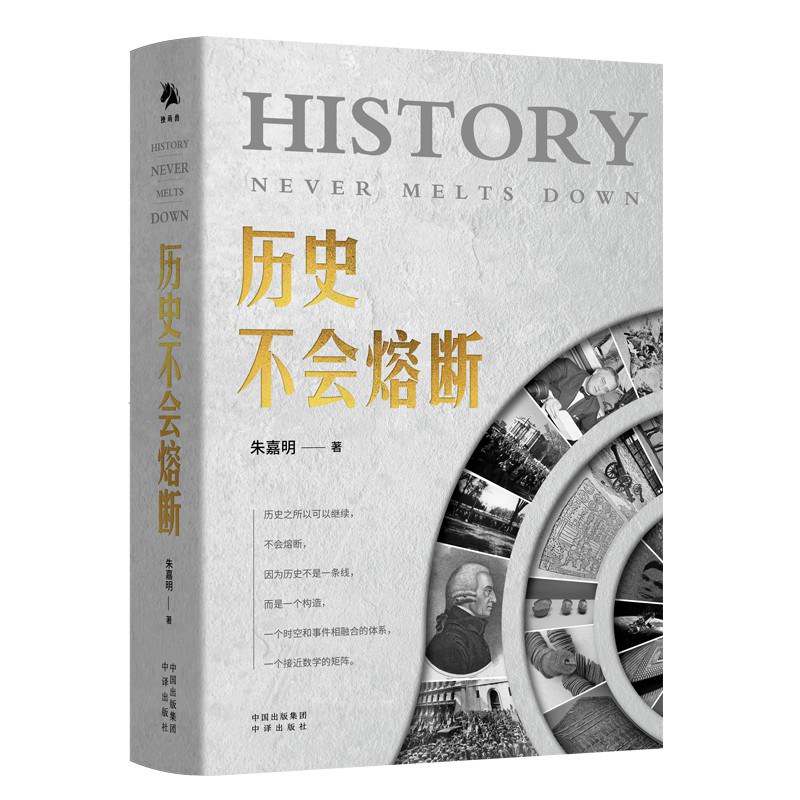
历史不会熔断
朱嘉明
Reading Notes
Zhu Jiaming is not your typical economist writing about monetary history. He was there — inside the room during the 1980s reform debates, part of the generation that tried to steer China's economy from central planning toward something else entirely. That biographical fact saturates every page of this book. When he writes about monetary crises, he is not abstracting from textbooks; he is drawing on the lived experience of watching an entire economic system nearly come apart, and then watching it be rebuilt according to logic no Western model fully predicted. This gives the book a weight that purely academic treatments of financial history simply cannot match.
Reading this reshaped how I think about China's current monetary policy and its posture toward crypto. The PBOC's digital yuan push, the aggressive crackdown on Bitcoin mining in 2021, the careful management of capital controls — these always seemed like discrete policy choices to me before. After this book, I see them as part of a much longer pattern: the state's attempt to maintain monetary sovereignty in an era when the technological substrate of money is changing faster than any regulator can keep up. Zhu does not moralize about whether this is good or bad. He simply shows you the pattern and lets the weight of five centuries of evidence do the persuading. That restraint is what makes this book stay with you.
Key Takeaways
- → Financial crises are not anomalies to be prevented — they are structural features embedded in every monetary system, recurring with different faces across centuries.
- → Monetary sovereignty has always been a contest between states and the technological reality of money — from silver arbitrage in the 16th century to Bitcoin in the 21st.
- → China's current approach to digital currency and crypto regulation is best understood not as a reaction to Western trends, but as the latest chapter in a centuries-long struggle to control the money supply.
- → The economists who shaped China's reforms carried a dual consciousness — trained in Marxist political economy yet improvising with market mechanisms — and that tension produced insights that neither tradition alone could generate.
“Every monetary system is a promise. And the history of money is the history of broken promises — not because people are dishonest, but because no promise can outrun the contradictions it was built on.”
— 朱嘉明